Skip to content

Table of Contents
Getting to a medical appointment shouldn’t feel like another health challenge, but for many people, it does. When mobility issues, post-surgery recovery, chronic conditions, or age-related concerns come into play, transportation becomes more than just a ride. It becomes a matter of safety, comfort, and peace of mind. That’s where Skilled Care Transportation steps in. For families and patients in need of dependable medical transport, services like Cross Care Transport offer a solution designed around real-life needs, not rushed timelines or one-size-fits-all approaches. Understanding what to expect from skilled care transportation can help you make informed, confident decisions for yourself or a loved one.
Understanding What Skilled Care Transportation Services Really Mean
Skilled Care Transportation is a type of non-emergency medical transport for people who need more help than a regular car ride. This covers patients who may need help getting around, need to be watched during transport, or need assistance working with healthcare personnel. Unlike rideshare options or basic medical taxis, skilled care transportation is provided by trained professionals who understand medical limitations, safety protocols, and patient comfort. These services are often used for:- Treatments are still in progress, including dialysis, radiotherapy, or physical therapy.
- Transfers or discharges from the hospital.
- Follow-up appointments after surgery.
- Transportation for seniors or people with disabilities who can’t get around on their own.
How Skilled Care Transportation Works: From Scheduling to Arrival
The regulated, patient-focused approach is one of the most reassuring things about professional medical transport services. While the specifics may differ significantly from provider to provider, trustworthy services always take a straightforward and careful approach.Scheduling with Care and Clarity
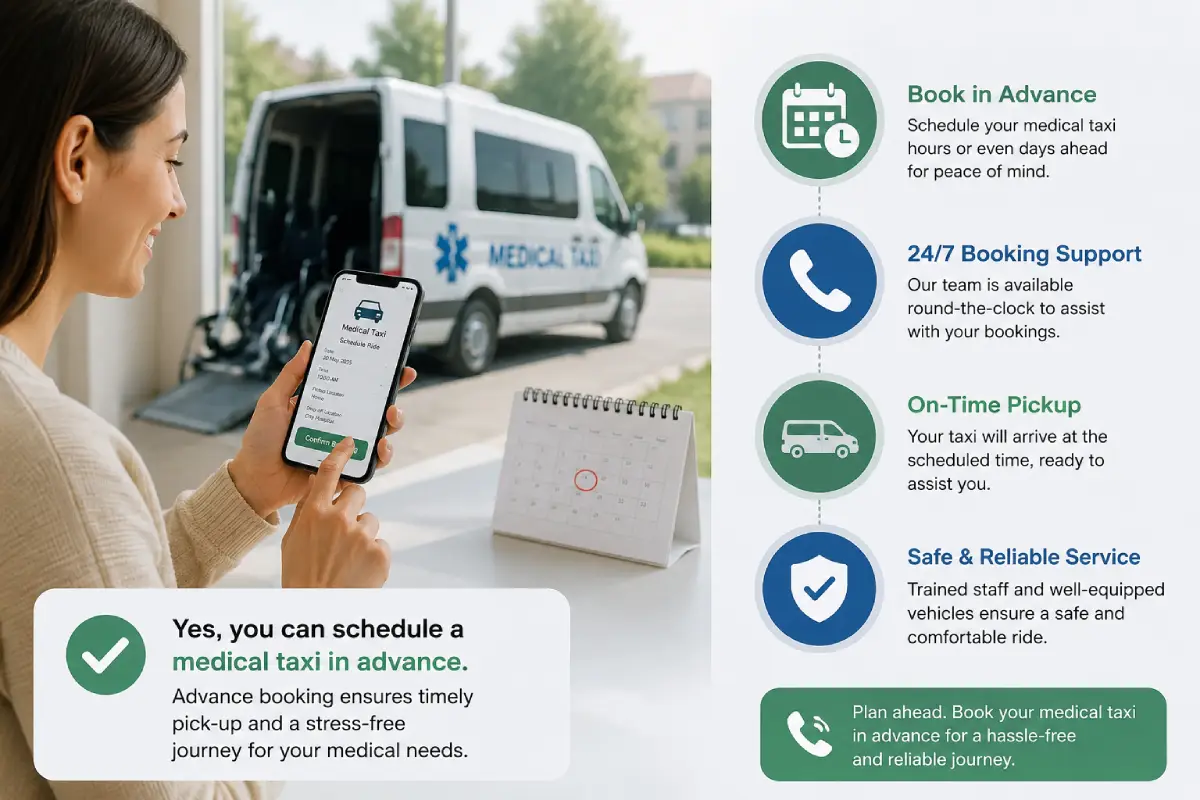
The process typically begins with a phone call or online booking. During scheduling, details such as mobility needs, medical equipment, pickup location, destination, and timing are discussed. This step ensures the right vehicle and staff are assigned.Coordination with Healthcare Providers
Skilled transport teams often communicate directly with hospitals, clinics, rehabilitation centers, or senior care facilities. This coordination helps avoid delays and ensures continuity of care, especially important during hospital discharge or interfacility transfers.Safe, Supported Transport
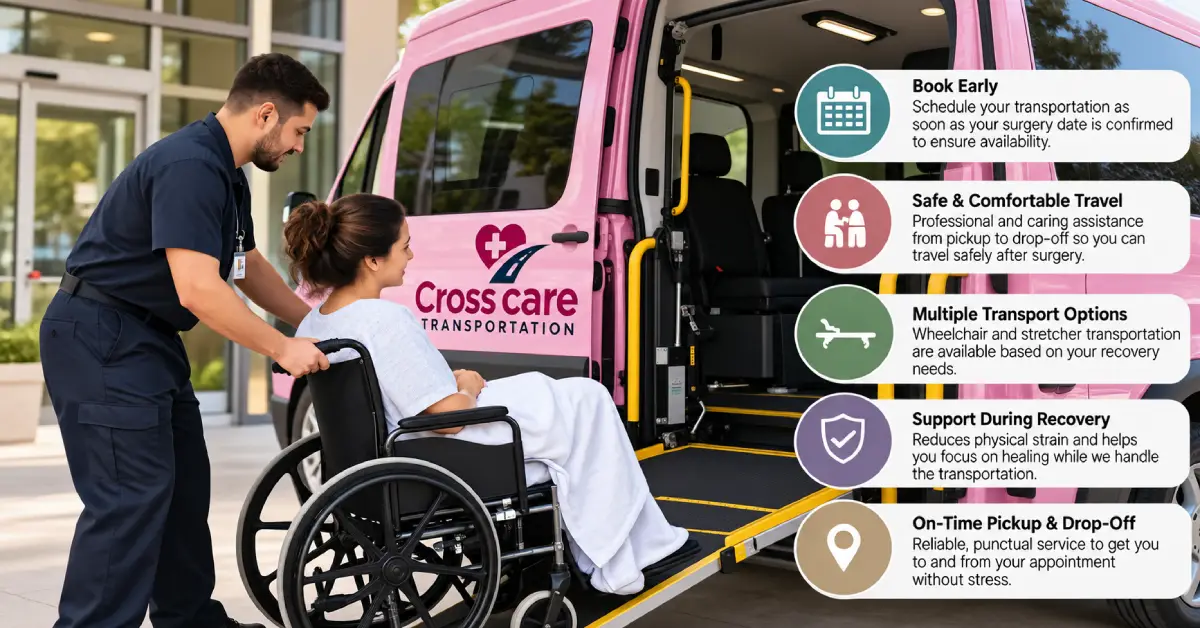
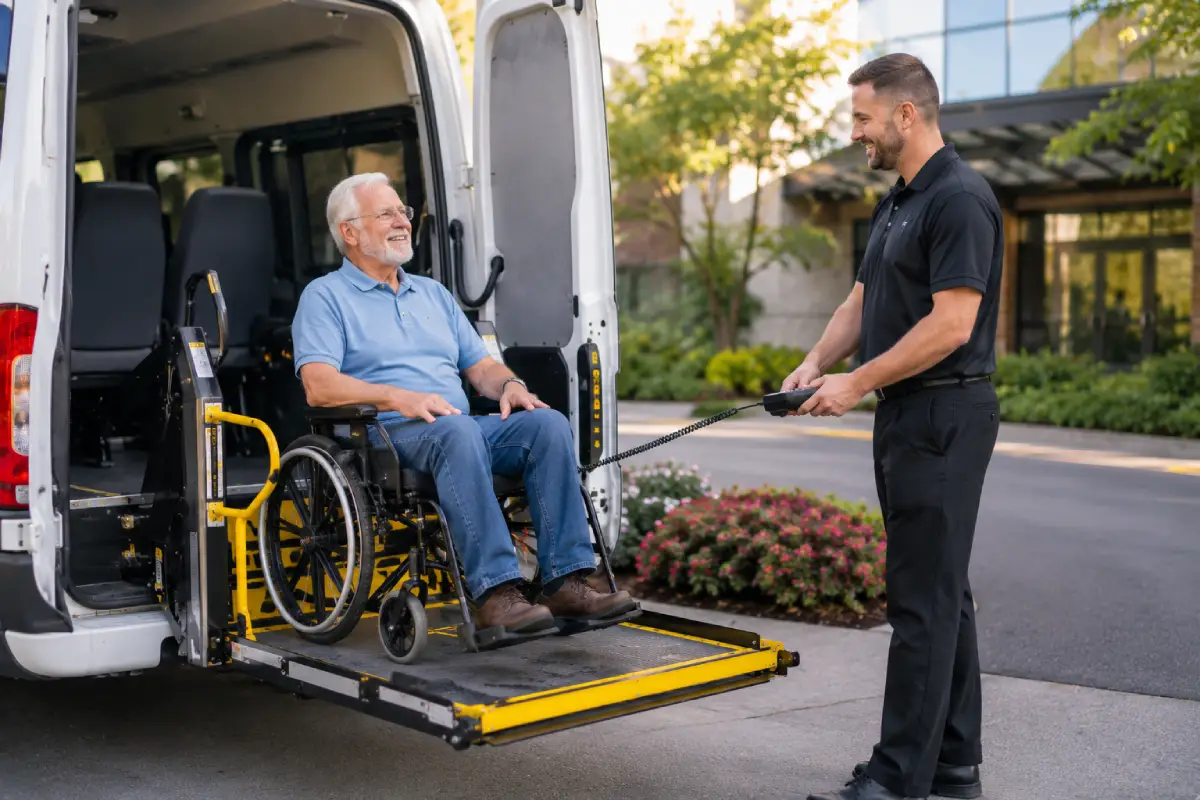
On the day of transport, qualified staff assist with transfers, ensure the mobility equipment is safe, and ensure the patient remains comfortable throughout. Vehicles are designed to meet medical and mobility needs, making the experience far more helpful than that of regular transportation options.Safety and Comfort: The Core of Skilled Medical Transport
When it comes to safe medical transport, safety and comfort are not optional; they are foundational. Skilled care transportation services are built around minimizing risk while maintaining the patient’s dignity and ease.Trained Professionals Make the Difference
Drivers and attendants are trained to assist individuals with limited mobility, cognitive challenges, or post-operative restrictions. This training allows them to respond calmly and appropriately to patient needs during transit.Vehicles Designed for Medical Needs
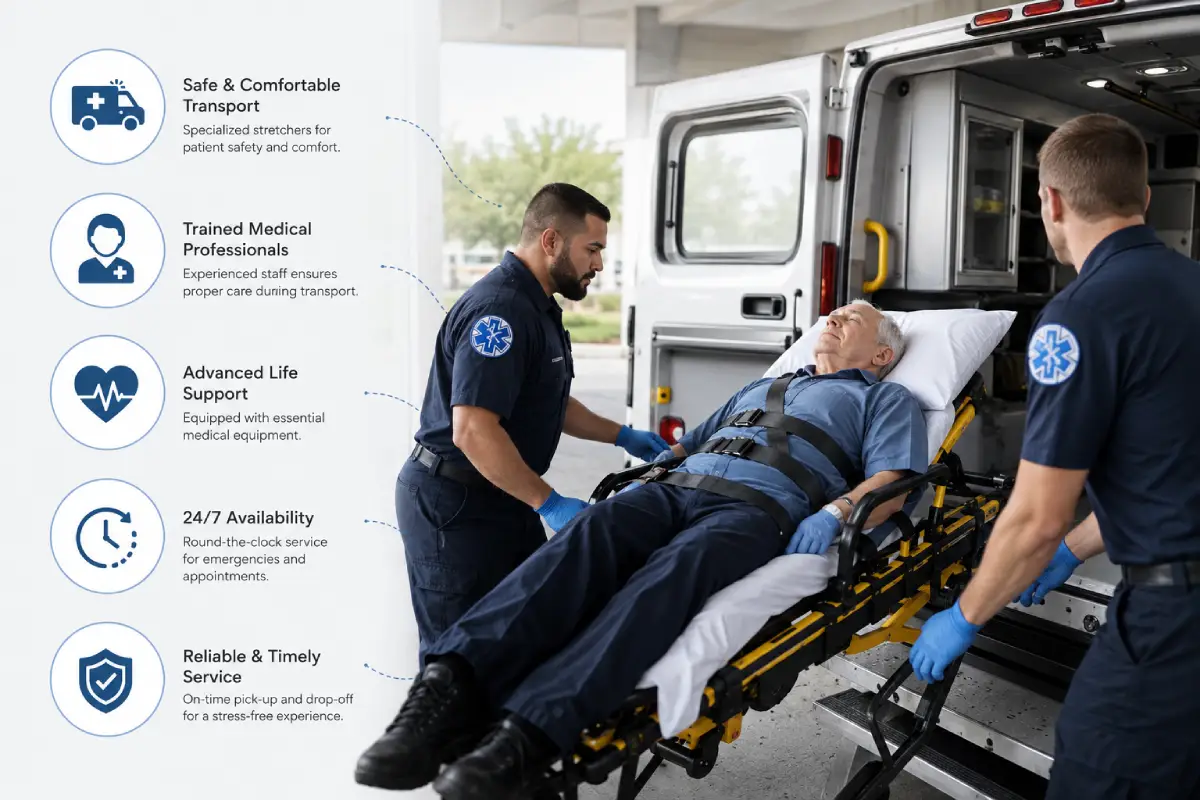
From ambulettes with wheelchair access to vehicles equipped for stair assistance, skilled transport vehicles are designed to reduce strain and improve stability. Secure seating, proper restraints, and smooth loading systems all contribute to a safer experience.Comfort That Reduces Stress
It might be hard to keep track of all your medical visits. A quiet, polite transportation environment helps both patients and caregivers feel less anxious, especially when they have to go to the same place repeatedly or travel a long distance.Skilled Care Transportation vs. Other Medical Transport Options
Not all non-emergency medical transport services are the same. Understanding the differences helps clarify why skilled care transportation may be the right choice.Medical Taxi Services
Medical taxis offer basic transportation but often lack hands-on assistance or specialized training. These may work for individuals who are mostly independent but still require a reliable ride.Rideshare or Standard Transport
Rideshare services are not equipped for medical needs and typically cannot assist with mobility devices, transfers, or post-surgical care. These options may also raise concerns around reliability and safety.Skilled Care Transportation
Skilled care transportation combines reliability, medical awareness, and physical support. It’s designed specifically for patients who need more than just a seat in a car.Benefits of What to Expect from Skilled Care Transportation Services: A Complete Guide
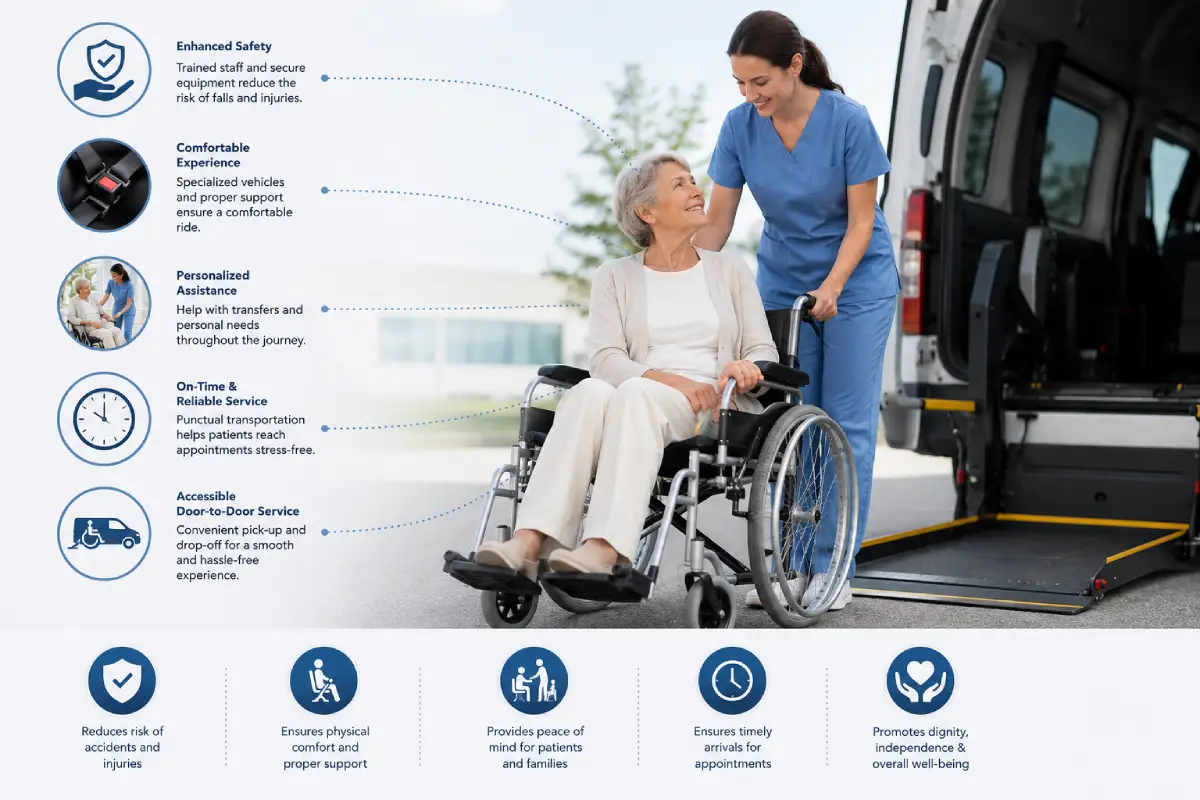
Understanding what to expect helps patients and families feel more confident when arranging transportation for care. The benefits go beyond logistics and directly impact quality of life. Key advantages include:- Improved safety during travel for elderly or medically fragile individuals
- Reduced stress for patients and caregivers who no longer have to coordinate rides
- Consistent, on-time arrivals for critical appointments and treatments
- Professional assistance with transfers, stairs, and mobility equipment
- Clear communication between transport teams and healthcare facilities
Who Benefits Most from Skilled Care Transportation Services?
If you’re evaluating whether skilled care transportation fits your needs, you’re not alone. Many people hesitate because they’re unsure if their situation qualifies. This type of patient transport for elderly and disabled individuals is invaluable for:- Older adults with limited mobility or balance concerns
- Patients recovering from surgery or injury
- Individuals undergoing frequent treatments like dialysis or chemotherapy
- People with disabilities requiring wheelchair or stair assistance
- Families seeking reliable transport support for loved ones
Service Scope and Specialized Support You Can Expect
Reputable providers like Cross Care Transport offer more than simple point-to-point rides. Their services are designed to adapt to a wide range of medical and personal needs. These may include:- Ambulette services are available in many counties and in New York City.
- Coordination of long-distance medical transport.
- Hospital discharge and transfers between facilities.
- Getting people to rehabilitative and senior care facilities.
- Stairs for moving between floors in homes.
- Help with post-surgery care while traveling.