Skip to content


The surgery date is confirmed, the pre-op instructions are printed, and near the bottom of that page sits a line most patients skim past: arrange a ride home with a responsible adult. It reads like a formality until the morning of the procedure, when it becomes the only unfinished item.
Post-Surgery Transportation is the one piece of surgical prep that belongs entirely to the patient, which is why it drifts to the bottom of the pile. At Cross Care Transport, the smoothest days belong to patients who settled the ride weeks earlier, in about ten minutes, and never had to sort it out in a discharge room.
When should I schedule a ride home after outpatient surgery?
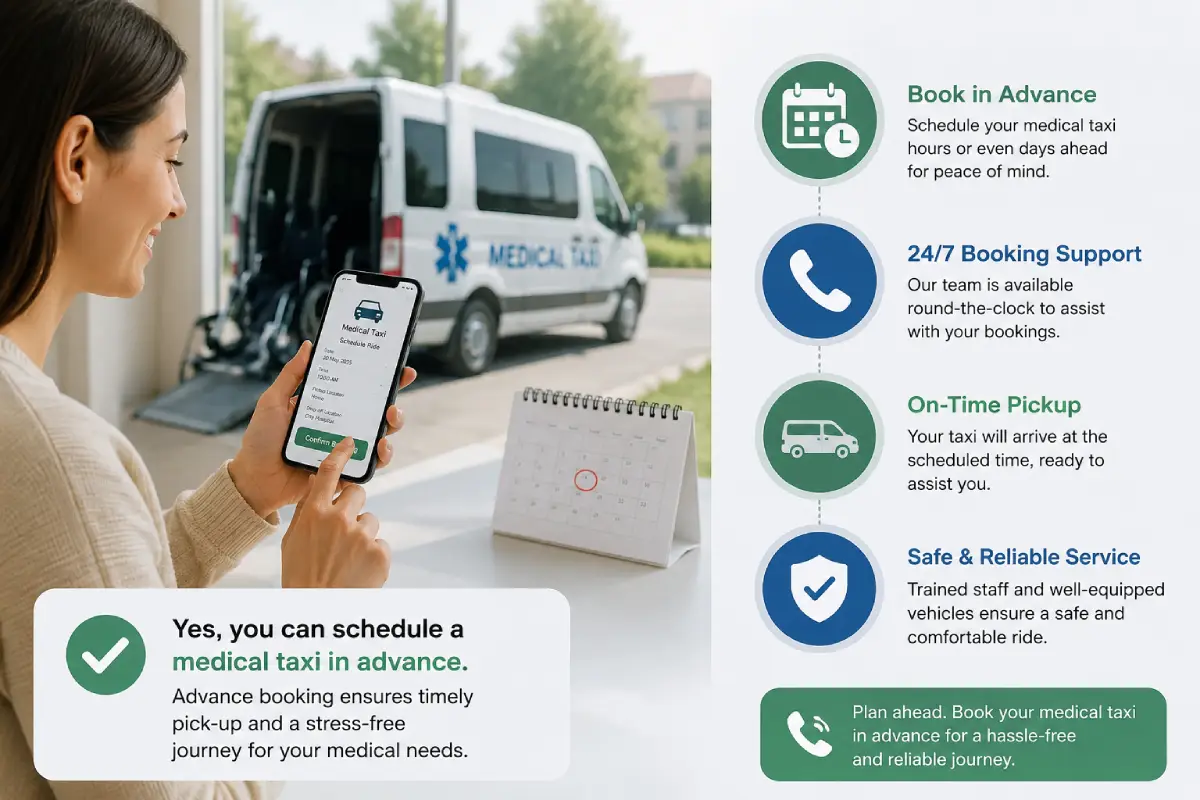
Reserve it once the procedure lands on the calendar, ideally one or two weeks ahead. That lead time protects your preferred pickup window and makes it much easier to secure specialized vehicles or attendant assistance. Requests made closer in are often filled, though fewer choices remain available as the date approaches.
Book The Ride The Same Week You Get Your Surgery Date
Your surgery date is the anchor, and every arrangement around it gets measured backward from that point. The ride belongs in the same category as your fasting window and your pre-op labs: scheduled once, early, then left alone.
Book it during the same sitting where you handle your pre-op paperwork. One to two weeks of lead time is a comfortable window, and patients who book then typically get the pickup time they asked for and the vehicle that suits them.
Within a few days, standard rides are often still available, though the schedule tightens. Same-day requests depend on whether a driver and the right vehicle are still open that morning. Wheelchair-accessible and stretcher-equipped vehicles fill first because there are fewer of them on the road, so a same-day request for one of those is the least likely to land. Discharge times also move. A procedure that runs long pushes your pickup into a slot that may already belong to someone else.
One condition no planning works around: most surgical centers will not release a patient after anesthesia without a confirmed ride and a responsible adult. That makes transportation after surgery a discharge requirement, not a convenience.
What Actually Gets Harder The Longer You Wait
Waiting rarely eliminates your options. It narrows them, usually in the direction you would least prefer.
Ambulatory rides, meaning patients who can walk and transfer without help, are the easiest to place on short notice. Specialized equipment works differently. A wheelchair-accessible vehicle or a stretcher unit can only be in one place at a time, so those requests compete with every other booking that needs it.
Early surgical blocks compress the problem further. Outpatient procedures are heavily scheduled in the morning, which makes that stretch the busiest pickup window of the day. The trade-off for booking late is usually the arrival time, not the ride itself.
The Details That Push Your Booking Earlier
Certain needs move a booking up to today.
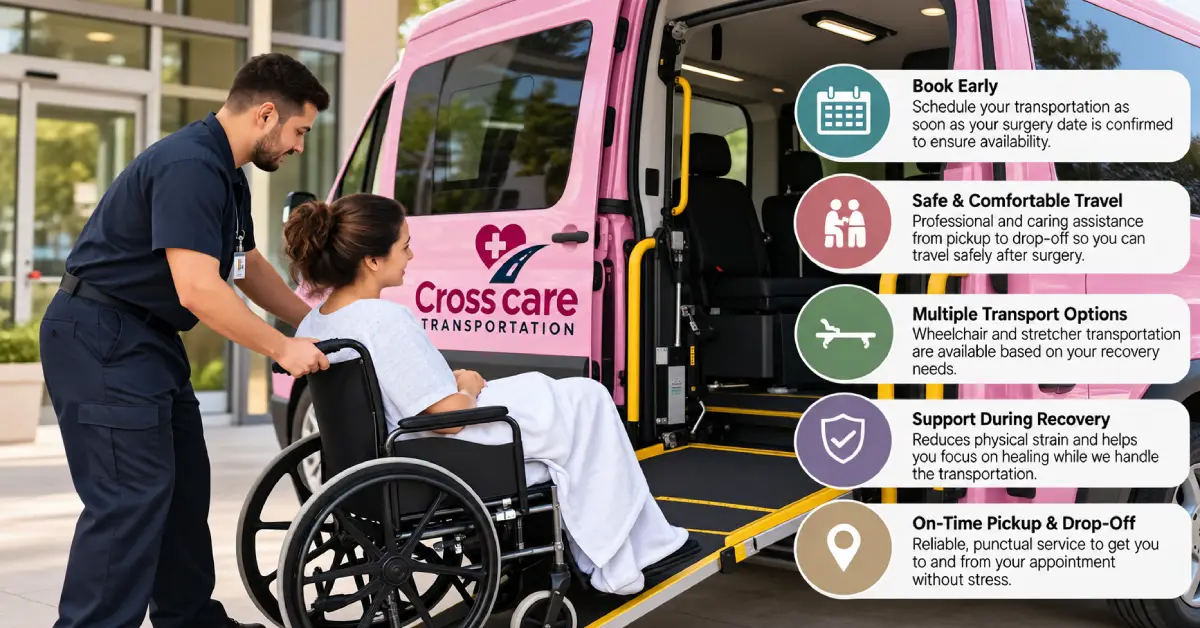
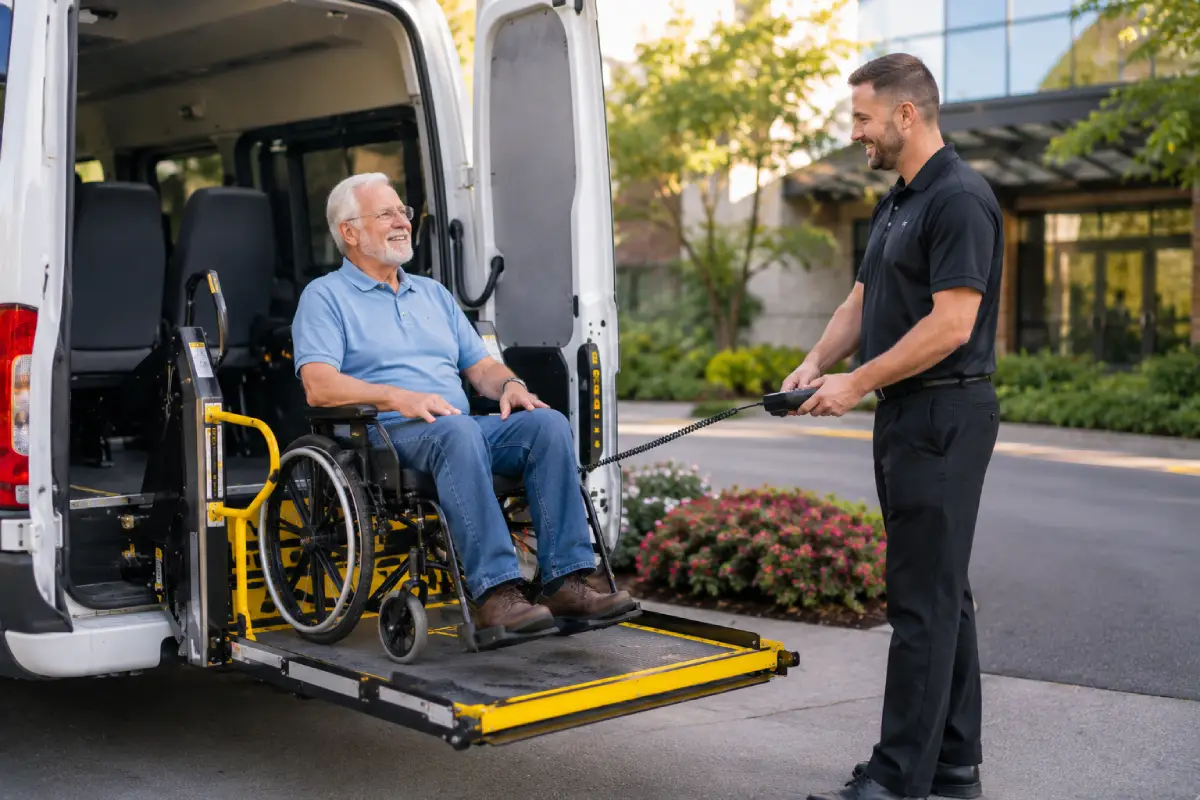
- Wheelchair or stretcher transport. Luxe wheelchair transportation and stretcher transport require a particular vehicle configuration, so they need the most lead time of anything here.
- Care attendant support. A care attendant is arranged as part of the booking, which means a trained person is assigned to your trip and has to fit the day’s roster. Attendants help with mobility and transitions on a non-medical basis, so anything clinical stays with your surgical team.
- Cosmetic procedures. Recovery from a BBL, mommy makeover, breast surgery, or liposuction often calls for specialized positioning and cushioning, assigned to your trip in advance.
Patients who can walk and prefer not to drive have more flexibility with our medical taxi service, though the pickup window is still worth locking in early.
Round-Trip Booking Changes: The Timing Math
The ride to the surgical center is governed by a check-in time you do not control, which makes it the fixed point of the day. The ride home is the variable one, and booking both together gives you one confirmation to track on a morning when coordinating anything will feel like too much. Our round-trip surgery pickup service handles the pre-surgery pickup and the return leg as one reservation.
Return timing stays an estimate by design, since discharge rarely lands where the schedule predicted.
What To Have Ready When You Call
A few details on hand turn the booking into a short conversation:
- The surgery date, your check-in time, and the full address of the surgical center
- The home or recovery center address for the return leg
- Whether a wheelchair, stretcher, or attendant will be needed
- The type of procedure, since it affects positioning and cushioning
If any of these are unconfirmed, call anyway. Most can be filled in later.
When The Surgery Date Moves
Surgery dates shift, and that’s the most common reason patients hold off on booking.
A reserved ride moves with the new date. Call as soon as the surgical center notifies you, even if the date could shift again, because the sooner we have your updated timing, the more of your original options stay open. Booking early carries no penalty for adjusting, and holding the slot gives you something to move rather than something to build from scratch.
Common Questions About Booking Post-Surgery Transportation
How late is too late to book?
There is no formal cutoff, but the narrower the notice, the more the ride has to fit around the schedule already in place.
Is the ride covered by insurance? Post-op transportation
coverage varies by provider. We encourage patients to check eligibility with their insurance company before the procedure date.
Why not call a rideshare after discharge?
Rideshare drivers are not trained for post-surgical support, cannot assist with transfers, and do not have wheelchair or stretcher options.
Can someone else book on the patient’s behalf?
Yes. Family members and caregivers arrange rides regularly, which is easier while the patient handles pre-op preparation.
Settle The Ride, Then Focus On Healing
The answer is simple: book as soon as your date is confirmed, ideally 1 to 2 weeks out. That window protects the pickup time you want and keeps wheelchair, stretcher, and attendant support within reach. Waiting rarely costs you the ride. It costs you the version of the ride that fits your morning.
The next step is smaller than it feels. Pull up your surgery date, check-in time, and the surgical center address, then make one call and settle both directions at once. Patients arranging Post-Surgery Transportation in Nyack with Cross Care Transport get round-trip coverage, trained care attendants, and vehicles suited to the procedure.
Need a safe ride home after surgery? Book your Post-Surgery Transportation today.